
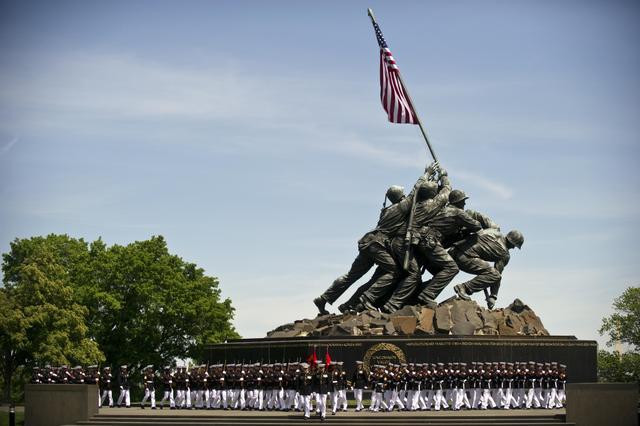
Not Born on the 4th of July

Just because you haven’t read something like this in awhile doesn’t mean it’s no longer happening:

It’s common that when a person dies with most of his or her life seemingly ahead of them, friends and family create online memorials. Ian is no different. His sister, Meg, posted one on Facebook over the weekend, and it has overflowed with stories of his compassion, selflessness and sense of humor as a human being and his honor, courage and commitment as a Marine. A key detail hasn’t been shared publicly, though.

Ian killed himself.

With a self-inflicted gunshot wound, he ended his life on the 4th of July, shocking those who know him as an upbeat, kind young man who went out of his way to regularly pick up the spirits of those around him. He left no note explaining why, his family said.

Rightly or wrongly, Ian’s blood is on our hands. He killed himself the day before President Obama decided to send condolence letters to the families of military suicides, so long as they killed themselves in a theater of war, as ably reported at the time by my colleague Mark Benjamin. After a decade of war, this much is clear: home, for many of our veterans, is a theater of war.

Related Topics: Marines, Military, Military Mental Health, National Security, Pentagon, President Obama, Suicide, Troops, Veterans
  • Latest on Battleland

    MANDEL NGAN/AFP/GettyImages

    Only One Year of U.S.-Led Fighting Left

    President Obama’s goal at the NATO summit this week is looking increasingly clear: wrap up U.S. troops’ combat role over the coming year, and get the allies to pay more money to enable the Afghan military to fill the gap.

    Getty Images

    House Pushes for East Coast Missile Shield

    The House has approved a $643 billion defense-spending bill for 2013 that’s $3.7 billion more than the Obama Administration, and its Pentagon, is seeking. That’s just about the same amount the Congressional Budget Office estimates the House bill’s push for an East Coast missile shield will cost over the next five years.

    Photo by Ron Sachs-Pool/Getty Images

    The Pentagon’s “Washington Monument Strategy”

    Whenever federal bureaucrats running the nation’s parks get antsy that their purse is likely to shrink, they roll out something long known as the “Washington Monument strategy.” That’s the tried-and-true technique of warning the public that if money isn’t forthcoming, one of the first budget cuts will force the shutting down of the popular obelisk to Washington, D.C., tourists.

blog comments powered by Disqus